$60.00 – $360.00Price range: $60.00 through $360.00
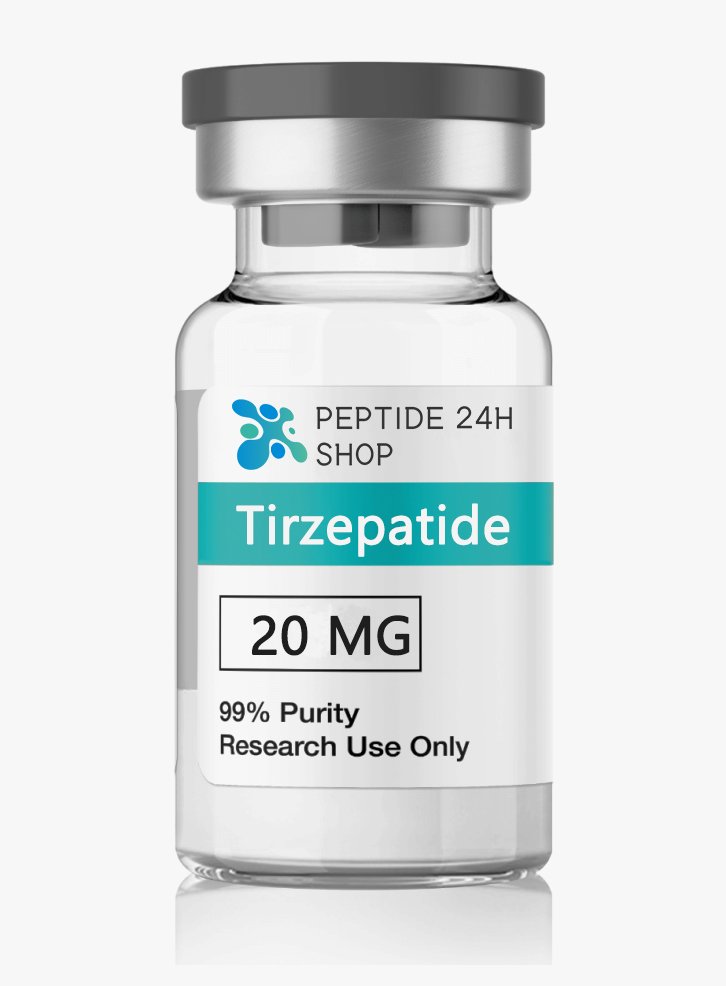
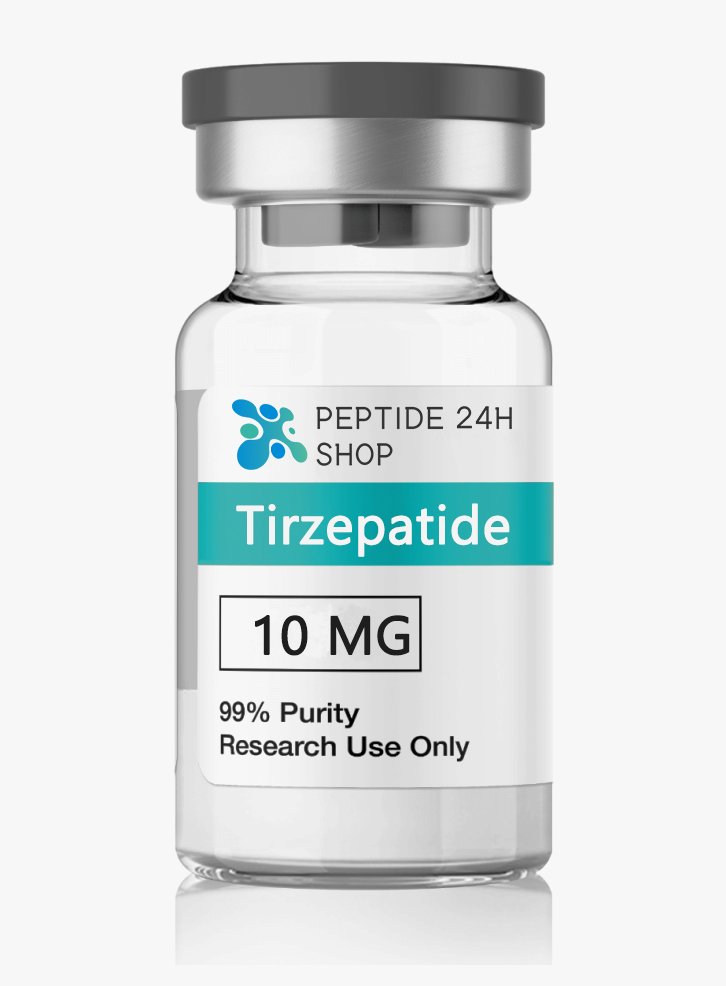
Tirzepatide peptide is a synthetic peptide designed as a dual GIP (glucose-dependent insulinotropic polypeptide) and GLP-1 (glucagon-like peptide-1) analogue. It is increasingly utilized in research to study metabolic regulation, insulin signaling, and energy balance.
The peptide’s dual-receptor activity makes it a valuable tool for exploring complex metabolic pathways and endocrine functions in laboratory studies. Its high stability and reproducibility ensure reliable experimental outcomes.
Tirzepatide is a synthetic 39-amino acid peptide that mimics natural incretin hormones GIP and GLP-1. In research models, it binds to GIP and GLP-1 receptors, triggering physiological pathways that regulate insulin secretion, glucose metabolism, and appetite signaling.
Key research applications include:
Metabolic studies – evaluating insulin and glucose homeostasis.
Endocrine research – understanding hormone receptor interactions.
Weight regulation studies – modeling peptide effects on energy balance.
Cell signaling research – analyzing receptor-mediated intracellular responses.
Its unique dual-receptor activity makes Tirzepatide a powerful peptide for metabolic research.
| Property | Description |
|---|---|
| Peptide Name | Tirzepatide (GIP/GLP-1 analogue) |
| Amino Acid Length | 39 |
| Purity | ≥98% (HPLC tested) |
| Form | Lyophilized powder |
| Molecular Weight | 4787.6 g/mol |
| Storage Temperature | –20°C (long-term) |
High-purity Tirzepatide ensures reproducible results for studies in metabolism, endocrinology, and cellular signaling.
Tirzepatide peptide is intended for laboratory research only and not for human consumption. Its research uses include:
Metabolic Pathway Studies – Examining insulin secretion, glucose uptake, and receptor signaling.
Endocrine Research – Investigating dual GIP and GLP-1 receptor activity.
Obesity and Energy Regulation Studies – Modeling peptide impact on appetite and weight control.
Molecular Biology Models – Analyzing receptor interactions, intracellular signaling, and peptide stability.
By using Tirzepatide in controlled experiments, researchers gain insights into hormonal regulation, metabolic control, and receptor pharmacology.
Dual receptor activity allows complex metabolic pathway studies.
High purity and stability provide reliable experimental results.
Scientifically validated in preclinical metabolic research studies.
Reproducible performance in laboratory settings, supporting high-quality data collection.
To maintain integrity and bioactivity:
Store lyophilized Tirzepatide at –20°C in a dry, dark place.
Reconstitute with sterile water or buffer just before use.
After reconstitution, store at 2–8°C and use within the recommended timeframe.
Avoid multiple freeze–thaw cycles to preserve peptide activity.
Tirzepatide peptide is for laboratory and research use only.
It is not approved for medical, veterinary, or human consumption.
Use only in controlled laboratory environments by qualified professionals.
Q1: What makes Tirzepatide peptide unique?
It is a dual GIP/GLP-1 analogue peptide, capable of activating both receptors simultaneously, which is valuable for studying metabolic and endocrine pathways.
Q2: Can Tirzepatide be used in human studies?
No, this peptide is strictly for laboratory research purposes and not approved for human use.
Q3: What is the purity of Tirzepatide peptide?
High-quality Tirzepatide peptide is verified at ≥98% purity using HPLC methods.
Q4: How should Tirzepatide be stored?
Keep lyophilized at –20°C, and after reconstitution, refrigerate at 2–8°C. Avoid repeated freeze–thaw cycles.
Q5: What types of research use Tirzepatide?
It is widely used in metabolic, endocrine, obesity, and molecular signaling studies, particularly those exploring dual-receptor mechanisms.
Tirzepatide peptide is a high-purity, dual-receptor peptide designed for metabolic and endocrine research. Its GIP/GLP-1 activity, reproducibility, and structural stability make it an essential peptide for laboratories conducting studies on insulin signaling, glucose metabolism, and energy balance.