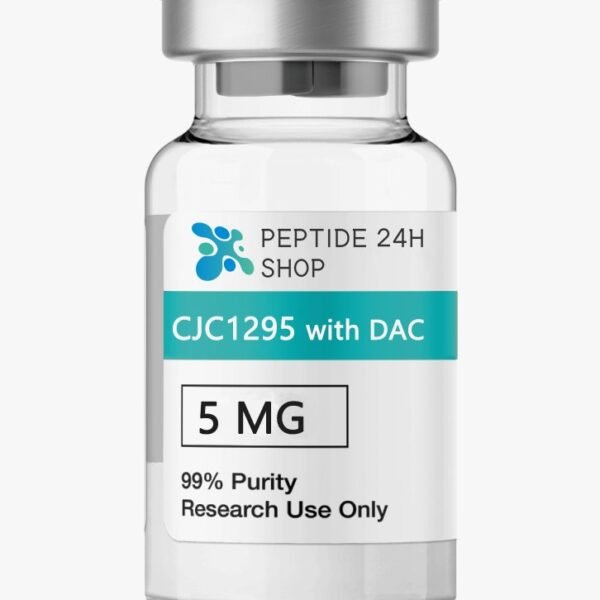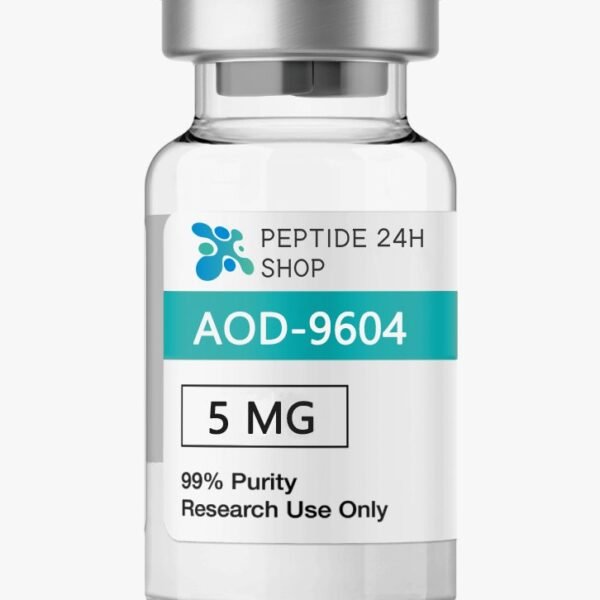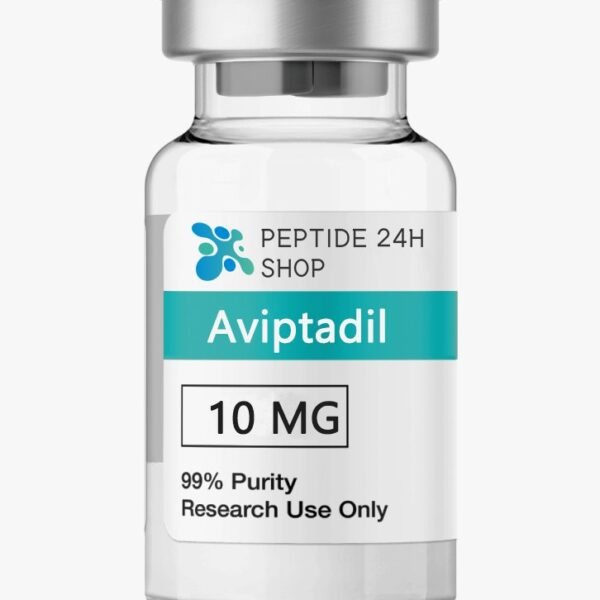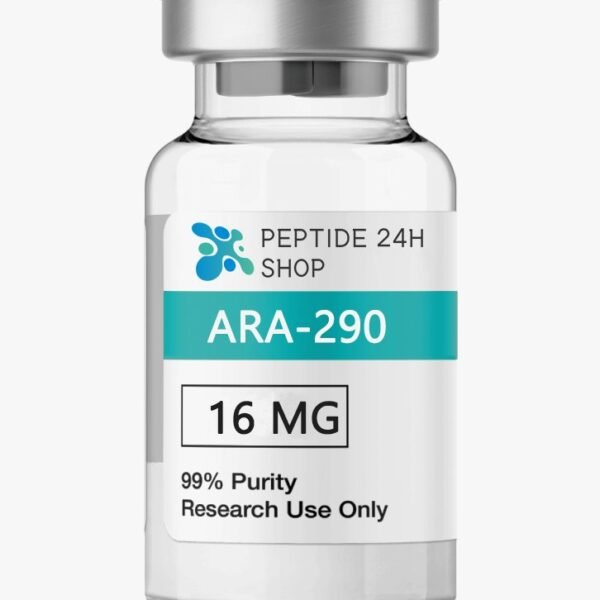
$45.00 – $450.00Price range: $45.00 through $450.00
FDA Approved: Yes
Generic name: retatrutide
Company: Eli Lilly and Company
Treatment for: Weight Loss (Obesity/Overweight)
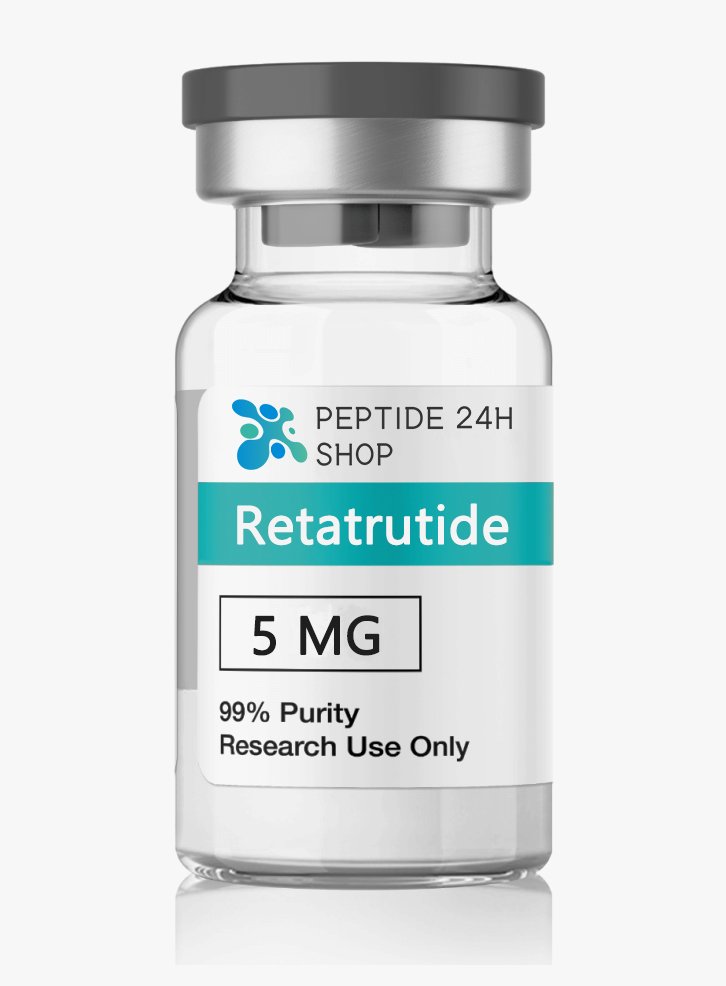
Retatrutide is a synthetic peptide being investigated for its unique triple-receptor agonist mechanism targeting GLP-1, GIP and glucagon receptors. While the compound is still under clinical development, several suppliers offer research-grade Retatrutide peptide for in-vitro or pre-clinical exploration.
Retatrutide (also known by the code LY3437943) is a 39-amino-acid synthetic peptide derived from incretin hormone analogues. It has been engineered to act as a potent agonist at three distinct receptors:
GLP-1 receptor (glucagon-like peptide-1)
GIP receptor (glucose-dependent insulinotropic polypeptide)
Glucagon receptor (GCGR)
By engaging these receptors simultaneously, Retatrutide aims to influence appetite regulation, glucose homeostasis, energy expenditure and fat metabolism. Early clinical trials show substantial weight loss and metabolic improvements in human subjects.
In a research context, Retatrutide peptide is of interest for:
Mechanistic studies of incretin and glucagon pathways
Metabolic and endocrine system modelling
Peptide-receptor binding and downstream signalling assays
Comparative studies of novel multi-agonist peptides
When selecting a Retatrutide peptide for laboratory research, key factors include: purity, verification (HPLC/MS), manufacturing method, storage form, documentation (Certificate of Analysis) and supplier transparency. Below is a general ranking of available research-grade Retatrutide peptides based on these criteria.
| Rank | Product Variant | Purity / Specification | Form & Format | Highlights | Use Case |
|---|---|---|---|---|---|
| 1 | Retatrutide Variant A | ≥ 99% (HPLC/MS) | Lyophilized powder | Verified COA, major supplier, highest grade | Advanced in-vitro receptor/agonist assays |
| 2 | Retatrutide Variant B | ≥ 98% | Lyophilized powder | Strong documentation, good stability | Metabolic modelling, cell signalling studies |
| 3 | Retatrutide Variant C | ~97% | Lyophilized powder | Cost-effective, reliable batch quality | Pilot studies, comparative peptide research |
| 4 | Retatrutide Variant D | ~95% | Lyophilized powder | Verified but lower tier quality | Early-stage screening experiments |
| 5 | Retatrutide Variant E | ~94% | Lyophilized powder | Budget option, ensure documentation | Exploratory research, non-critical assays |
Note: The exact naming of product variants may differ across suppliers. The ranking is based on general trends in the research peptide market (quality vs cost). Always review the batch Certificate of Analysis and third-party verification before procurement.
High-quality Retatrutide peptides should have ≥95% purity, preferably ≥98%, as verified by HPLC and mass spectrometry. For example, one catalog lists Retatrutide with 99.72% purity. Purity impacts reproducibility in receptor binding and metabolic assays, limiting confounding effects of impurities.
Solid-phase peptide synthesis (SPPS) is generally the preferred method for synthetic peptides like Retatrutide. Lyophilized powder form is standard to maintain stability and facilitate precise reconstitution. Some suppliers indicate storage at –20 °C for the lyophilized powder.
A robust research grade product will include: Certificate of Analysis (CoA) detailing purity, sequence identity, batch number; HPLC chromatogram; MS spectra; storage instructions; and explicit statement “for research use only.” Scrutinize these before purchase.
To preserve activity and integrity:
Store lyophilized powder at −20 °C or colder.
Once reconstituted, aliquot and store at −80 °C to avoid repeated freeze–thaw cycles.
Protect from moisture and light.
Use sterile techniques when preparing solutions.
Although Retatrutide shows promise, it remains investigational and is not approved for human use. Therefore procurement should clarify “research use only”. Unregulated sales or use in humans carry significant ethical and legal risks.
Retatrutide is increasingly used in metabolic research for its potent activity in weight regulation, insulin sensitivity and lipid metabolism. A meta-analysis found that once-weekly Retatrutide significantly reduced body weight and improved metabolic markers in overweight/obese and T2D populations.
Due to its triple receptor agonism (GLP-1, GIP, GCGR), Retatrutide offers a unique tool for studying cross-receptor signaling, agonist potency and downstream effects. Binding affinities: e.g., for human GCGR ~5.79 nM, GLP-1R ~0.775 nM, GIPR ~0.0643 nM. selleckchem.com
Researchers investigating next-generation metabolic therapeutic peptides may use Retatrutide as a benchmark compound. Its strong clinical signal (up to ~24% weight loss in trials) makes it a high-bar comparator in translational research.
Academic labs may compare Retatrutide with other peptide agonists or develop analogues with modified lipidation, receptor specificity or half-life. For such studies, high-grade synthetic Retatrutide provides a reliable reference standard.
High Reproducibility: Top-tier products reduce batch variability, enabling consistent experimental outcomes.
Verified Purity: Minimises confounding from impurities or by-products in signalling assays.
Better Stability: Proper storage format ensures peptide remains active across study duration.
Documentation Support: CoA and supplier transparency support reproducible science and publication credibility.
Research Relevance: Given the compound’s advanced clinical profile, using Retatrutide enhances translational value of experiments.
To ensure optimum research utility of Retatrutide peptide:
Maintain lyophilized powder at −20 °C or colder; avoid repeated thawing.
For reconstitution: use sterile buffer as per supplier instructions; aliquot into small volumes, freeze at −80 °C.
Label clearly with peptide name, batch number, date.
Use personal protective equipment (gloves, goggles) when handling.
Dispose of waste according to institutional biosafety guidelines.
Document each experiment, including peptide batch, storage conditions, reconstitution date — critical for reproducibility and publication.
Retatrutide acts as a triple receptor agonist for GLP-1, GIP and glucagon receptors. Its structural modifications enhance half-life and receptor affinity, enabling potent metabolic effects in pre-clinical and clinical studies. Peptides.org+1
No. Retatrutide is investigational and not yet approved by major regulatory agencies for clinical use. Its availability is restricted to clinical trials and research supply only.
High-quality research-grade batches typically exceed 95% purity, with 98–99% being preferred for advanced assays. Suppliers may list 99.7% as verified via HPLC/MS.
Applications include metabolic/endocrine research (obesity, T2D), peptide-receptor binding studies, signalling pathway analysis, pre-clinical drug discovery screening and comparative peptide development.
When sourcing: verify supplier’s certificate of analysis, batch documentation and storage instructions. Use the peptide strictly within institutional research protocols, ensure correct handling (freeze/aliquot), and ensure compliance with local regulations. Usage outside approved research contexts is not recommended.
In summary, Retatrutide peptide presents a powerful research tool for laboratories focused on metabolic, receptor signalling and peptide-therapeutics investigations. The key to harnessing its potential lies in selecting high-quality research-grade variants, verifying purity/documentation, maintaining correct storage/handling, and aligning experiments with robust design.
By following the ranking and criteria outlined in this guide, research professionals can make informed decisions when acquiring Retatrutide peptide for their experimental platforms.